
For cool tech & entertainment brands who make 50M+ USD annual revenue
LIKE A CHEATCODE FOR MORE MONEY
No more 47 tabs open. We deal with all the headaches so that you can focus on getting your paycheck.
Coming soon
FEW BIG BOYS WE’VE BEEN IN TOUCH WITH
- pitika
- Insta360

- Surfshark
- UmmahJobs
- Temu
- Eros Innovation


- Easy-Peasy.AI




REAL QUICK, LET’S
BE DEAD HONEST.
“Facebook ads are already making me money. Why not just spend more there?” Fair question. You don’t need to ditch what works.
But what if someone who your audience already trusts showed them your product?
That’s the power of working with a creator. They’ve spent time earning their audience’s trust. This way, you can (ethically) "steal" that trust.
So, what's the proof that people trust creators and that they actually buy? Let’s look at the numbers.
People in 15 countries trust creators to share true facts about brands.
Edelman, 2025 · 15-country average.Rapidly growing~30%Forecast global growth per year, compounded, from 2027 through 2032.
Mordor Intelligence · 2027–2032 compound annual growth forecast.Brands see the value48%U.S. ad spenders surveyed call creators a must-buy in their media plans.
IAB, 2025 · U.S. ad spenders surveyed.People buy, too~60%U.S. creator-engaged people bought mainly on their advice (6 months).
Deloitte, 2026 · U.S. consumers who engage with creators; purchases in the past six months.THE POTENTIAL
IS NO JOKE.
The right creator can help people get to know your brand through a voice they already love to hear.
Still not convinced? Fair enough. Let’s see what other brands have done.
in reported launch pipeline
immediate paid subscriptions, reported
quarterly bookings target, reported
views and a reported 50% sustained sales increase
in reported launch pipeline
demos booked, plus around 400 signups, reported
So let’s skip the guesswork and the 47 tabs you opened trying to figure it all out.prepare to learn about our super cool method 🙂
Updated: 11th of November, 2026.
O marketers,
Creator campaigns, with the details handled.
We get it.
Running influencer campaigns can be hard. Real hard.
You’re worried about how the campaign will perform.
Stressed and sleeping like a newborn dolphin.
Your hair’s falling out from all the uncertainty.
And to top it all off, you’re being pulled in a billion different directions.
Omg!
Should I check performance? Write the 34th follow-up? Find more creators?
Vent about my entire flippin’ life on LinkedIn?
What about those creator platforms everyone talks about?
Should I try using AI to find creators and do the outreach?
I’m about to eat my computer.
If any of that sounds familiar, you don’t need another lecture about being more productive.
You need fewer moving parts sitting on your plate.
Research, outreach, agreements, briefs, feedback and reporting all need attention.
Sometimes at the same time.
And somehow, you’re supposed to keep the campaign moving without opening tab number 59.
That’s where the Creator Cashquake Method comes in...
cue dramatic sound effect.
MOST INFLUENCER MARKETING AGENCIES HAVE IT ALL WRONG!
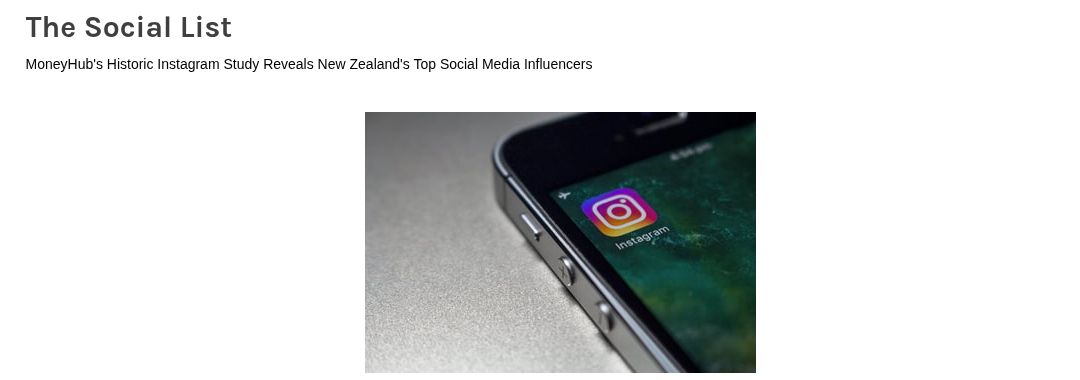
MoneyHub • Historic Instagram study. Uses engagement percentages as a signal, while also explaining audience fit and business outcomes.
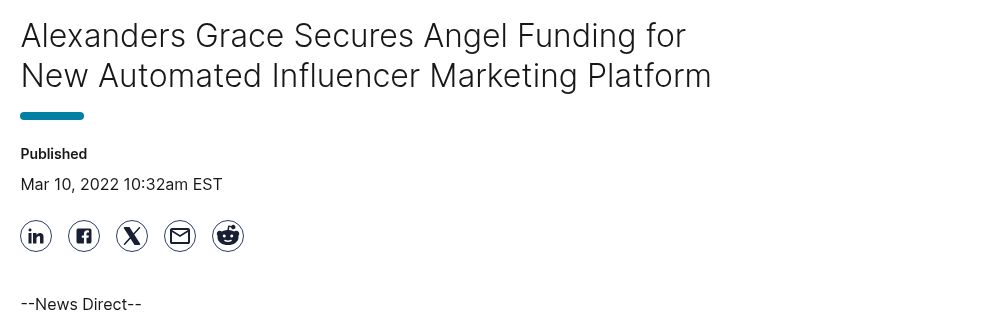
Alexanders Grace • 2022 company press release hosted on Nasdaq, not Nasdaq editorial. Promotes engagement metrics alongside targeting and attribution.
Picture this. The campaign report lands in your inbox.
Big reach. Loads of likes. A graph going up and to the right. Beautiful.
Then your boss asks the one question that wasn’t on slide 47.
“Cool. Did we reach anyone who would actually buy this?”
You look at the report. The report looks at you.
Suddenly, that graph is doing a lot of emotional support.
Here’s the part a follower count cannot tell you: why those people follow that creator.
Imagine selling project-management software to an audience that showed up for chaotic cooking videos. The creator might be brilliant. The audience might love them.
That still doesn’t tell you whether anyone watching is in the market for your software.
Attention is not the same thing as buying intent.
So is the answer to pick a smaller creator? Not automatically. A smaller wrong audience is still the wrong audience. Just with fewer people in it.
Start with who you need to reach. What do they care about? What problem are they trying to solve? Which creators do they trust on that subject?
Then look at reach and engagement. Useful signals. Not a substitute for knowing who is on the other side of the screen.
And before a single post goes live, agree on what the campaign is meant to do. Relevant attention? Qualified visits? Leads? Sales?
Track what you can. Say what you cannot attribute. No dressing up a comment section as a cash register.
The question is not “Who has the biggest audience?” It’s “Who has the right audience for this offer?” And that’s where our Creator Cashquake Method comes in.
THE RIGHT CREATOR IS ONLY THE BEGINNING.
So, you’ve found a creator whose audience makes sense for your brand. Great. Job done?
Not quite. Someone still has to reach out. Agree on the details. Write the brief. Get the content reviewed. Keep things moving. And figure out what happened after it went live.
Congratulations. Your “simple creator campaign” has developed side quests.
What if all that work didn’t keep landing back in your lap?
- Creators chosen with your audience in mind
- Clear briefs, responsibilities and approvals
- Fewer loose ends sitting on your plate
- Reporting tied to the goal you actually agreed on
That’s the campaign we want to help you run. Not just a name on a shortlist. The work around that name, handled.
Because finding a creator and running a campaign are two very different jobs.
One gets you excited on Monday. The other has you writing “just following up” for the sixth time on Thursday.
We’re here for the second job, too.
Research and outreach. Agreements and briefs. Feedback, approvals and reporting. The moving parts that turn “we should work with creators” into an actual campaign.
So you can spend less time playing human reminder app and more time doing your actual flippin’ job.
That’s what we mean when we talk about the Creator Cashquake Method.
But a catchy name doesn’t tell you who’s handling what. You need to know what we actually take off your plate.
Fair. Let’s open the hood.
Here’s what goes into the work, from finding creators to reporting on the campaign.
NO FIT == NO HIT
We start with your business. What are you selling? Who needs it? And what do you want this campaign to do?
Because “get our name out there” sounds lovely. It is also a fairly expensive way to avoid answering the question.
Then comes creator research. We look at their content, the audience it attracts and whether your offer belongs in that conversation.
A big audience can be useful. A relevant audience is the reason to keep looking.
We build the shortlist and handle outreach. You get a clearer view of who makes sense, rather than a spreadsheet of famous people and a prayer.
Right people. Clear goal. Now we need to make something worth watching.
- pitika
- Insta360
- Surfshark
- UmmahJobs
- Temu
- Eros Innovation
BRIEF THE CREATOR. NOT THEIR PERSONALITY OUT OF THEM.
You picked this creator because people actually want to watch them. Excellent. Let’s not remove the reason they showed up.
Imagine their usual video. A sharp opening. A useful point. A joke that sounds like something a human would say.
Now imagine interrupting it with twelve product features and the phrase “industry-leading solution”.
Lovely. We’ve turned a creator into the hold music on a sales call.
The answer is not “give them no brief”. It is a better brief.
We get clear on the audience, the message, the deliverables and the next step. Then give the creator room to say it in their own voice.
One creator might explain the product at their desk. Another might demonstrate it in action. Same core message. Different reasons their audiences keep watching.
That is why we coordinate the agreements, timelines, feedback and approvals. You know what is being made and where your input is needed.
Not a free-for-all. Not a script-reading hostage situation. Clear direction, with room for the creator to create.
Then comes the question every campaign needs to answer: what happened after people watched?


BECOME THE NEXT SUCCESS STORY
COUNT WHAT HAPPENED. NOT JUST WHAT LOOKS NICE.

The video is live. People are watching. Someone has commented “first”. A valuable contribution to civilisation.
But what happened next?
That is the bit we want the report to help you understand. Not just whether the post looked busy.
If the goal was visits, we look at the clicks we can track. If it was leads or sales, we need the relevant information from your team. A view count cannot fill in the blanks.
Then we look at the message, too. Did people understand the offer? Was the next step clear? What did the response tell us?
Here is a useful test: could someone explain what you sell after watching, without needing a second video and a small committee?
If not, there is something to investigate before throwing more budget at the same thing.
We bring the available results together, explain the limits and review what they suggest for the next campaign.
No pretending every sale came from a creator. No hiding behind a giant impression count, either.
Find the fit. Give the creator a clear brief. Learn from the response.
That is the work behind the Creator Cashquake Method. Less guesswork. More clarity on what to do next.
And if you are looking at your own campaign thinking “cool, but where do I even start?”...
Tell us the one thing holding it up.
Finding the right creators? Getting replies? A brief that keeps coming back covered in comments? Give us the context and ask for free advice on that bottleneck.
One specific problem. A useful place to start. No need to write your entire company autobiography.
WE’RE THE BEST
(SOURCE: TRUST ME BRO)
| What to compare | Scale Pledge | Viral Nation | The Goat Agency | Influencer Marketing Factory |
|---|---|---|---|---|
| Creator campaign management | ✓ | ✓ | ✓ | ✓ |
| Funny website copy | ✓ | × | × | × |
| Personality included | ✓ | × | × | × |
| Fun to work with? | ✓ | × | × | × |
| A suspiciously dramatic method name | ✓ | × | × | × |
This comparison is a joke, not factual claims about the other agencies.
THE TL;DR VERSION.
Find creators whose audience makes sense for your product. Give them a clear brief without confiscating their personality. Then look at what the campaign actually did.
That’s the Creator Cashquake Method. The name makes more noise than the process. The point is to take the guesswork out of the next decision, not promise your sales graph will perform gymnastics.
We coordinate the research, outreach, agreements, briefs, feedback and reporting. You stay involved in the decisions and approvals that matter.
If one part is holding you up, start there. Tell us the bottleneck. We’ll have a much more useful conversation than ‘so… influencers?’
Campaign questions
FREQUENTLY ASKED
QUESTIONS
What to clarify before your campaign.
Do we really need an agency to run a creator campaign?
Not necessarily. If your team has the time, creator relationships and a clear process, running a campaign in-house can make sense.
The question is what happens after someone says, ‘Let’s work with creators.’ Someone still needs to research the shortlist, contact people, negotiate the details, coordinate the brief, chase feedback and pull the results together. That someone tends to acquire a surprisingly large collection of browser tabs.
Scale Pledge helps with that work: creator research, outreach, negotiations, campaign coordination and reporting. Your team stays involved in the decisions that matter, including the objective, scope and agreed approvals. We are not here to replace your knowledge of your customers. We help turn that knowledge into a campaign that is easier to manage.
Is creator marketing a fit for our brand?
Start with the customer, not the creator’s follower count. Where do your customers spend their attention? What do they watch? And would your product belong naturally in that conversation?
Scale Pledge focuses on tech and entertainment brands. We research creators around the product, target audience and campaign objective, rather than starting with a famous face and hoping the connection explains itself. A creator who can demonstrate why your product matters may be more useful than one who can simply say its name to a larger crowd.
You also need a clear next step for the audience. That might be exploring a product, visiting a relevant page or considering an offer. A creator can introduce people to your brand, but the offer and experience they find afterward still have work to do.
Do you only work with large creators?
No. A bigger audience gives you a bigger number. It does not automatically give you more of the right people.
We consider how the creator’s content, audience and presentation fit your product and campaign goal. Views and engagement help us understand an account, but they are signals to investigate, not a substitute for checking relevance. A smaller creator with an audience that genuinely cares about your category can make more sense than a larger account with little connection to it.
The shortlist should have a reason behind it. Why this creator? Why this audience? Why this format? ‘They have loads of followers’ should not be the entire presentation.
Can you help with a first launch or ongoing campaigns?
Both. A focused launch and an ongoing creator program need different plans, even when some of the work overlaps.
For a first campaign, the useful starting point is one clear objective and a scope you can evaluate. We help research suitable creators and coordinate the outreach, agreed deliverables, content and reporting. The goal is to make the first campaign a considered decision, not a very expensive guessing game.
For ongoing campaigns, the work also includes keeping the process moving and using what you learn to inform later decisions. Which creators fit? Which messages landed? Where did the process slow down? Repeating a campaign should mean carrying useful lessons forward, not copying last month’s spreadsheet and changing the date. The exact scope is agreed around your needs.
How much does a creator campaign cost?
The useful answer starts with the scope, not a mystery number pulled out of a hat.
Creator fees, the number and format of deliverables, timing, review rounds, usage rights and any exclusivity requirements can all affect the cost. One sponsored video and a multi-creator campaign with content licensed for advertising are different projects. They should not be priced as if they are the same thing.
Share your product, objective, budget and timing so we can discuss what is realistic. Before committing, clarify which fees and deliverables are included, which rights you need and what would count as extra work. A clear agreement is considerably more useful than a cheap-looking quote with surprises hiding behind it.
When do we get to review the content?
The review stages are agreed as part of the campaign scope. They should be clear before content is produced, not introduced as a plot twist the night before publication.
A useful brief explains the product, audience, objective, required information and any claims or boundaries the creator needs to understand. We coordinate the brief and feedback with creators at the agreed stages, so your team knows when input is needed and what is being approved.
The balance matters. Your product needs to be represented accurately, but the creator still needs room to communicate in a way their audience recognizes. The aim is not to turn a creator into someone reading a corporate PDF aloud. It is to make the message clear without removing the reason people watch them.
How do you measure whether a campaign worked?
We start by agreeing what ‘worked’ means. Relevant attention, qualified visits, leads and sales are different objectives. A report should not quietly swap one for another because the second number looks nicer.
The reporting depends on the objective and the data available. Views and engagement can help explain how content was received. Trackable links, codes and website or conversion data, where available, can help connect the campaign to further actions. Those measures still have limits: not every purchase is trackable, and a tracked action does not automatically prove the campaign caused an incremental sale.
We bring the available results together with that context, so you can see what is supported, what remains uncertain and what to investigate next. Useful reporting helps you make a decision. It does not dress up a busy comment section as a cash register.
Can we reuse the creator’s content in our own marketing?
That depends on the rights agreed with the creator. Paying for a sponsored post does not automatically mean you can use the content everywhere, forever.
If you want to publish it on your own channels, feature it on your website or use it in paid advertising, raise that before the campaign terms are agreed. Where the content will appear, how long you want to use it, whether it can be edited and any exclusivity requirements are details to clarify.
We coordinate those discussions as part of the agreed campaign work. Sorting out the rights early helps everyone understand the deliverable and its cost. It is much easier than discovering that your favorite clip cannot be used in the ad your team has already built.
What happens when I ask for free bottleneck advice?
Bring one real question that is slowing down your campaign. Perhaps you are unsure which creators fit, cannot get outreach moving or are trying to make sense of the results. If you have not launched yet, the decision holding up your first campaign counts too.
Click the free bottleneck advice button to open an email to hello@scalepledge.com. Tell us your question and send it when you are ready.
Include enough context for the question to make sense: what you sell, who you want to reach and what you have tried. ‘Everything is broken’ is a feeling we understand. One specific bottleneck gives us something useful to work with.


