You found a creator who fits your brand. The brief is ready, the video looks great, and the post is almost live.
But can viewers tell it’s sponsored?
A disclosure doesn’t need to hide in a pile of hashtags like it’s playing hide-and-seek. It should help people understand the relationship between the creator and the brand.
Here’s a practical starting point for campaigns reaching US consumers, based on guidance from the Federal Trade Commission (FTC).
1. Explain the relationship in the brief
Tell the creator what they are receiving and discuss how the partnership will be disclosed before content is made. A connection can matter even when no money changes hands. For example, the FTC says free products and other benefits can create a connection that should be disclosed when it could affect how people weigh an endorsement.
See the FTC’s disclosure guide for examples.
2. Make the disclosure easy to notice and understand
Use clear language that tells viewers about the relationship. Don’t rely on a vague thank-you or an unfamiliar abbreviation. Place the disclosure where people are likely to see it with the endorsement, rather than hiding it behind a “more” button.
For video endorsements, the FTC’s guide recommends including the disclosure in the video itself, not only in the description. For an image-based story, it recommends placing the disclosure over the image and giving viewers enough time to read it.
3. Don’t assume a platform label is enough
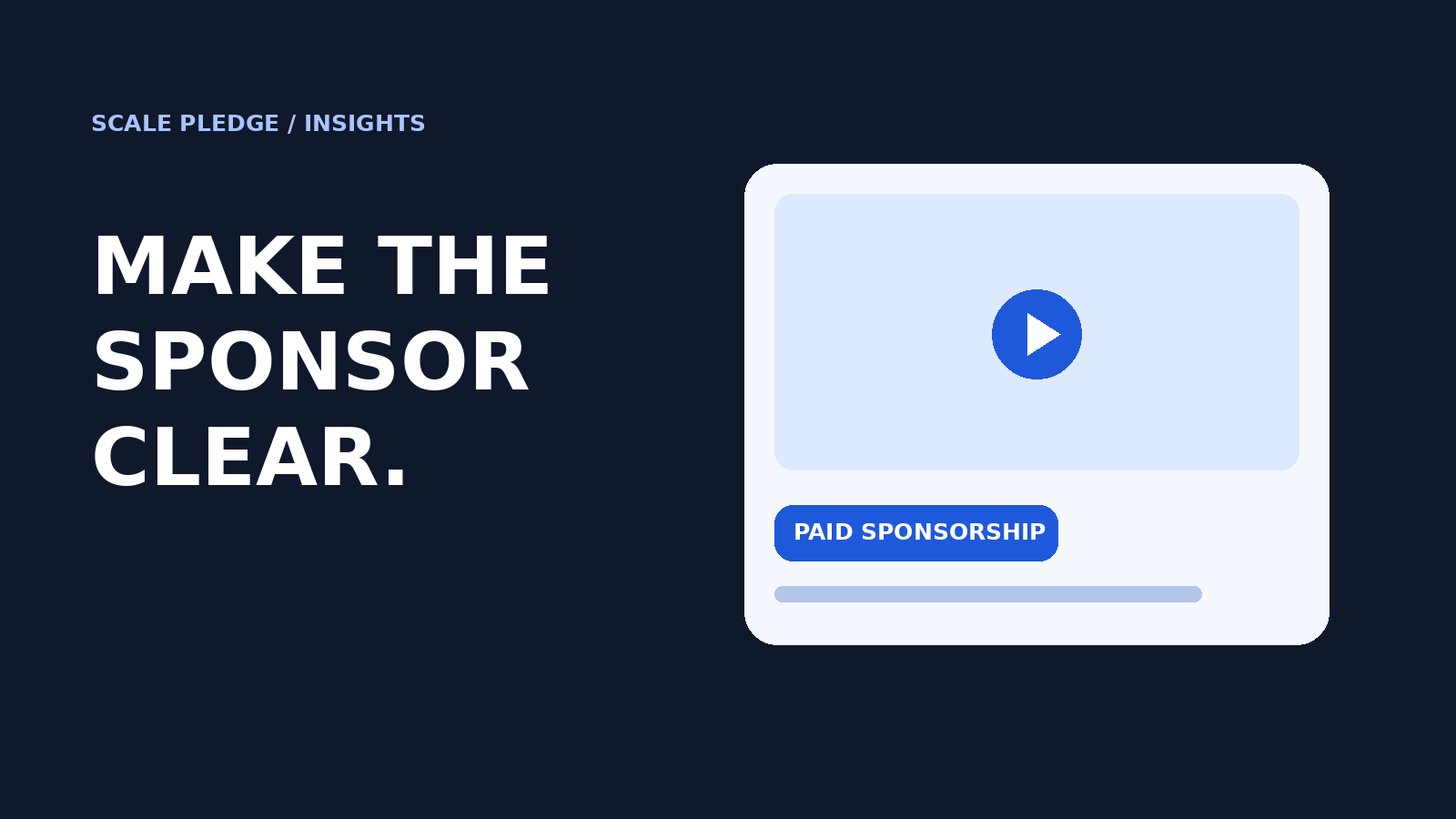
Built-in paid partnership tools can be useful, but the FTC says a platform’s tool might not always provide an adequate disclosure. Check how the content actually appears to viewers, including whether other elements cover the disclosure.
The FTC’s endorsement questions and answers covers different formats and examples.
4. Review the content, then check the live post
Agree on a review process with the creator before the campaign starts. Look at the disclosure in context: can someone notice it, read or hear it, and understand the relationship? Once the content is live, check the published version too.
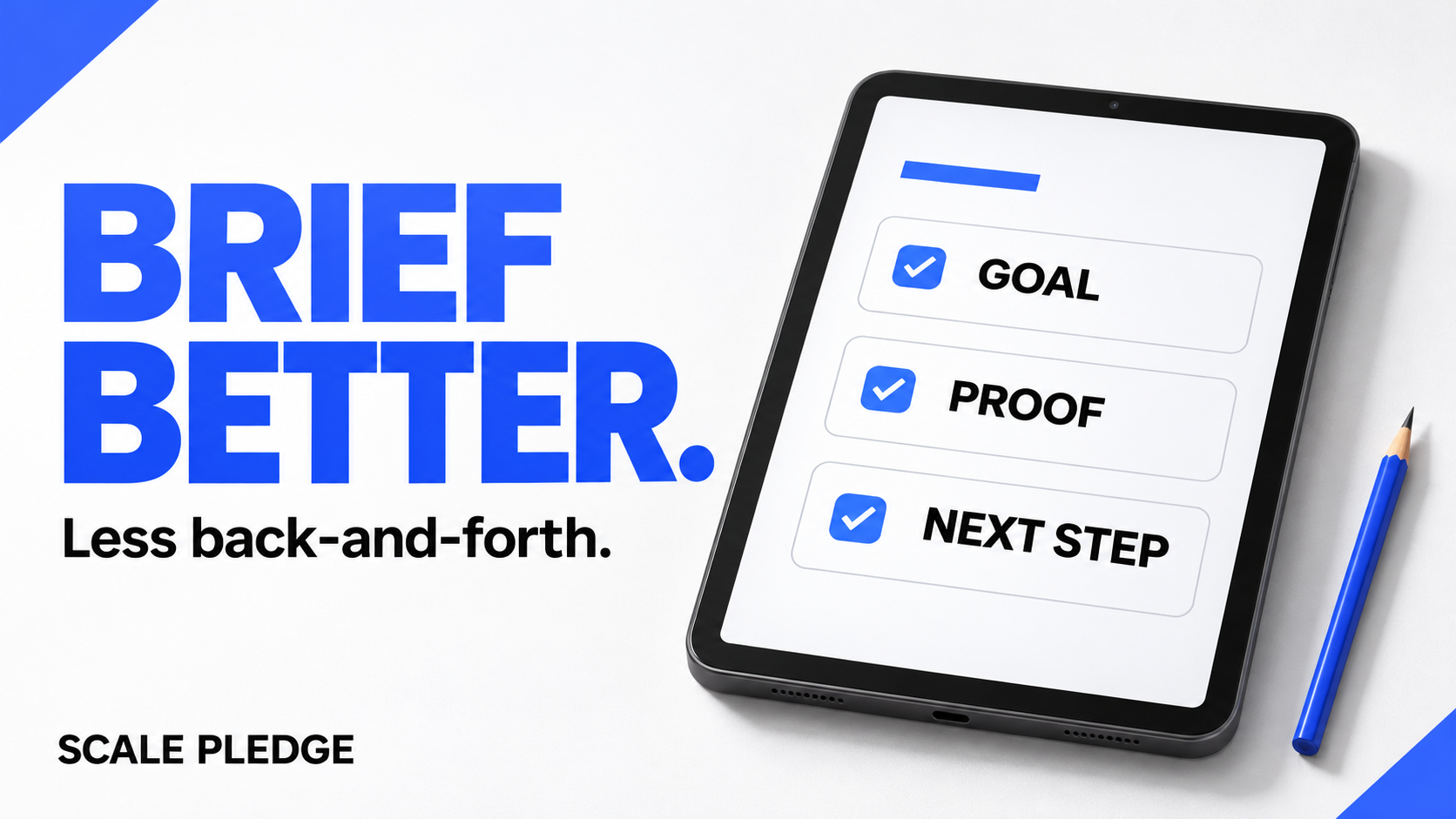
A good brief can save a lot of back-and-forth. It can also make it easier for the creator to keep their own voice while being clear with their audience.
This is a general starting point based on US FTC guidance, not legal advice. Rules can vary by location, platform, and campaign. Review the applicable guidance and seek legal advice when needed.