A creator has 250,000 followers.
Their posts look polished.
The numbers seem strong.
Then your campaign launches and almost nothing happens.
The problem may not be the content.
The audience may have never been as valuable as it looked.
Fake followers, bought engagement, inactive accounts, and engagement pods can make a creator seem much stronger than they really are.
For tech brands, this matters because you are not paying for a follower count.
You are paying for access to real people.
Start with the follower count, but do not trust it
Follower count tells you the size of an account.
It does not tell you the size of the real audience.
HypeAuditor defines fake followers as accounts that do not represent real, active people. This can include bots, inactive accounts, purchased followers, and accounts created through follow for follow schemes.
That means a creator can show a large number on their profile while only part of that audience is useful to a brand.
Source: HypeAuditor on fake followers
Look for strange follower growth
Healthy creator growth is rarely perfectly smooth.
A viral post can cause a spike.
A major collaboration can do the same.
But large jumps with no clear reason deserve a closer look.
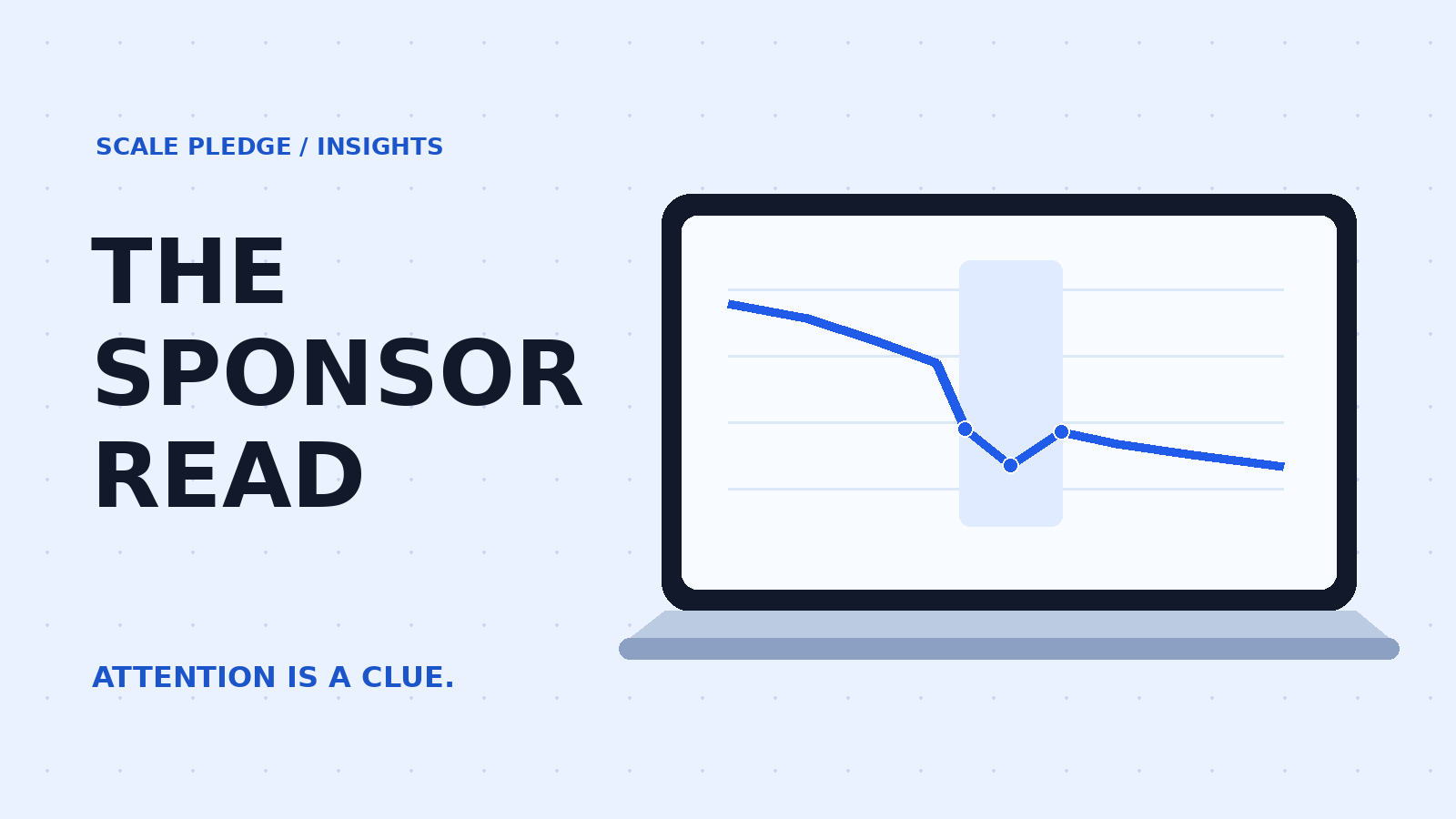
HypeAuditor specifically flags unusual follower growth because sudden spikes can sometimes point to artificial audience inflation.
Before hiring a creator, compare their growth chart with what they posted during the same period.
If the account gained 40,000 followers in a few days but nothing significant happened, ask why.
Source: HypeAuditor follower growth analysis
Compare followers with engagement
Imagine an account with 500,000 followers.
Most posts get 700 likes and 12 comments.
That does not automatically prove fraud.
But it should make you look deeper.
A large gap between follower count and real interaction can mean the audience is inactive, low quality, or inflated.
HypeAuditor lists a mismatch between follower count and engagement as one possible sign of fake followers.
The important point is not to use one number alone.
Compare several recent posts.
Look for patterns.
Source: HypeAuditor fake follower warning signs
Read the comments
Comments can tell you more than the engagement rate.
Look at what people are actually saying.
Strong comments often relate to the content.
They ask questions.
They mention something specific from the video.
They discuss the product or idea.
Suspicious comments are often generic.
Examples might be:
“Great post”
“Nice content”
“Amazing”
“Love this”
A few generic comments are normal.
A comment section filled with them is more concerning.
HypeAuditor says suspicious comments can be linked to inauthentic engagement or engagement pods.
Source: HypeAuditor authentic engagement checks
Watch for engagement pods
An engagement pod is a group of accounts that repeatedly like and comment on each other’s content.
The activity is real in the sense that people may actually be clicking the buttons.
But it does not mean the audience cares about the creator’s content.
That creates a problem for brands.
The engagement number goes up.
Real buyer interest does not.
HypeAuditor identifies engagement pods as one form of influencer fraud and looks for repeated suspicious interaction patterns when analyzing creators.
Source: HypeAuditor on influencer fraud
Check who is doing the engaging
Do not only look at how many people engage.
Look at who they are.
Open some follower profiles.
Do they have posts?
Do they have normal usernames?
Do they follow thousands of accounts while almost nobody follows them?
Do many profiles look empty?
One strange account means nothing.
A large pattern of low quality accounts is different.
HypeAuditor says its suspicious account detection looks at signals such as follower ratios, number of posts, account age, privacy settings, and other account behavior.
Source: HypeAuditor suspicious account detection
Audience quality matters more than raw engagement
A creator could have a strong engagement rate and still be wrong for your brand.
Imagine a developer tools company working with a general consumer tech creator.
The comments may be real.
The followers may be real.
The audience may simply have no reason to buy developer software.
That is why fraud checks are only one part of creator vetting.
You also need to check:
Audience location
Audience interests
Average views
Topic relevance
Past sponsors
Content quality
Brand fit
Buyer fit
Sprout Social recommends evaluating creators across areas such as topical alignment, engagement, content style, values, and long term brand fit rather than relying on follower count alone.
Source: Sprout Social influencer vetting guide
Review older content too
Do not only review the last five posts.
A creator may look safe today but have older content that conflicts with your brand.
Look through past sponsorships.
Look at how they speak about products.
Check whether they promote competing tools every week.
Look for major changes in content style.
Brand safety tools now help automate some of this process. Sprout Social, for example, offers tools that scan past creator content for possible brand safety issues.
But automated tools should support your judgment, not replace it.
Sprout itself notes that automated brand safety outputs may contain errors and recommends human review before making decisions.
Source: Sprout Social Brand Safety Reports
Ask for analytics before paying
Creators who work with brands regularly should usually be able to share useful audience information.
Ask for:
Average views
Reach
Audience countries
Audience age ranges
Engagement
Past campaign performance where available
Traffic results where available
You are not trying to catch the creator doing something wrong.
You are checking whether the audience matches what you are buying.
That is normal due diligence.
One red flag should not decide everything
This is important.
A sudden follower spike does not always mean fake followers.
A low engagement post does not prove fraud.
Generic comments do not automatically mean engagement pods.
Each signal needs context.
A creator may have gone viral.
They may have appeared in the media.
One post may have performed poorly.
This is why strong vetting looks at patterns instead of one number.
The bottom line
Fake engagement is dangerous because it makes weak audiences look valuable.
The safest way to avoid it is not to hunt for one magic fraud score.
Look at the full picture.
Follower growth.
Engagement quality.
Comments.
Audience makeup.
Content history.
Brand fit.
Buyer fit.
A real creator with the right audience does not need perfect numbers.
They need an audience that actually pays attention.
And for a tech brand, that is far more valuable than a large number on a profile.