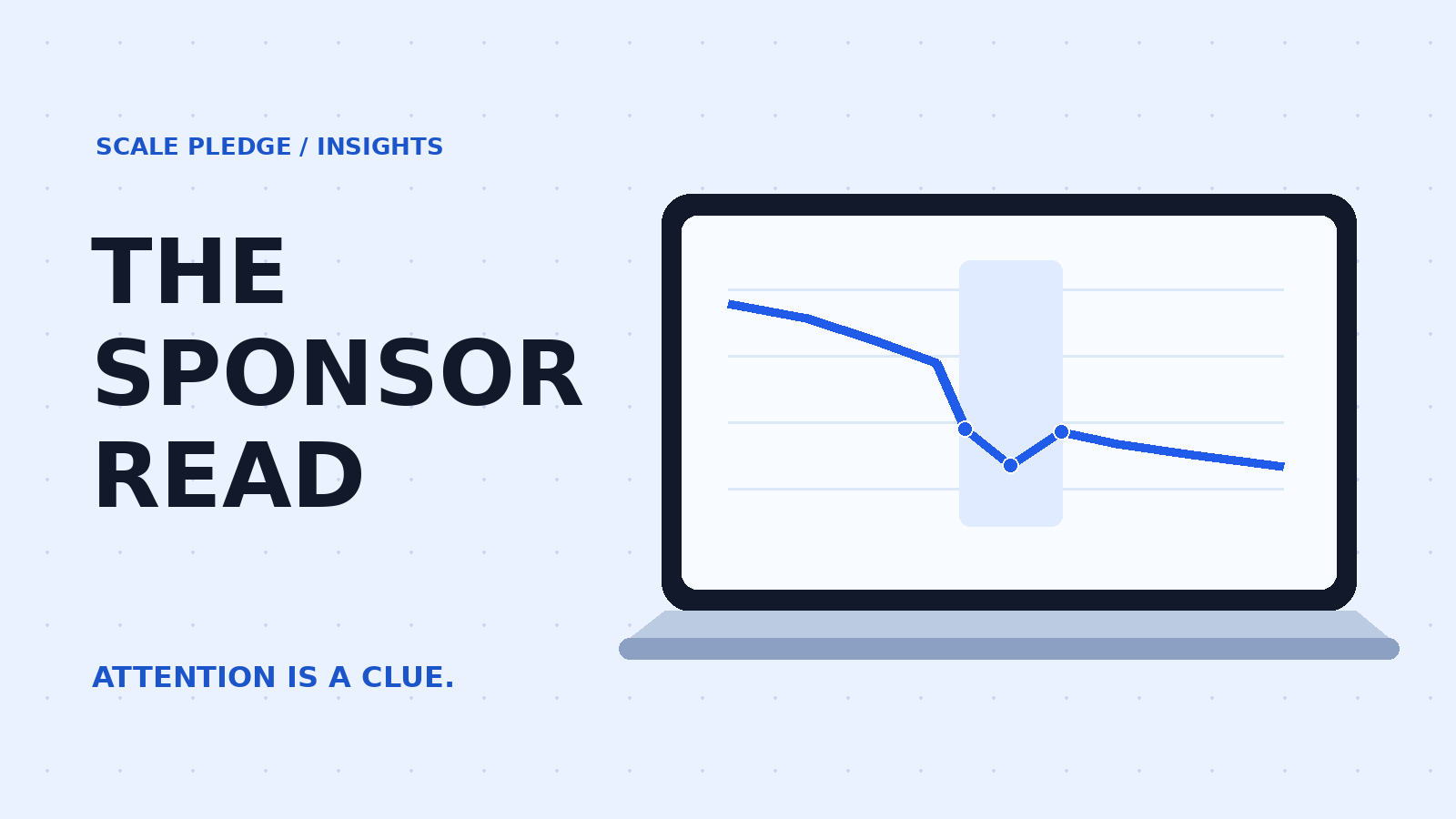
Your YouTube sponsor read starts at 2:10. The retention line drops.
Now the brand wants to move the next read to the first 30 seconds. Fair question. Wrong shortcut.
A dip tells you where to look. It doesn’t tell you why viewers left, how many skipped ahead, or whether the people who stayed went on to buy. Here’s how to decide what to change without asking one blue line to do three jobs.
1. Watch the handoff before you blame the sponsor
Play the 20 seconds before and after the drop. What was the viewer waiting for? Did the read start right before the benchmark reveal? Did a desk setup tour suddenly become a list of software features?
YouTube’s retention guide says a dip can mean people skipped a moment or stopped watching. Check whether the line recovers after the read, but don’t treat that as proof of what any one viewer did.
2. Pick a moment where the product earns its place
Say you sell a USB-C dock. A natural spot in a desk setup video is when the creator switches from a work laptop to a personal one. Show what happens to the monitor and keyboard when they move one cable. Now the sponsor has something to do besides read the sponsor’s name.
For the next upload, give the creator one useful job: show the switch in real time. Let them choose the point in the video where the setup makes sense. Keep the sponsorship clear; the creator brief is where you agree on what must be shown, not where you write their monologue.
3. Check attention and action separately
Attention: Ask for the retention chart and the timestamps where the read starts, the product appears and the call to action lands. Look at a few comparable uploads from the same channel, not one viral outlier. YouTube also offers a typical-retention comparison for recent videos of similar length.
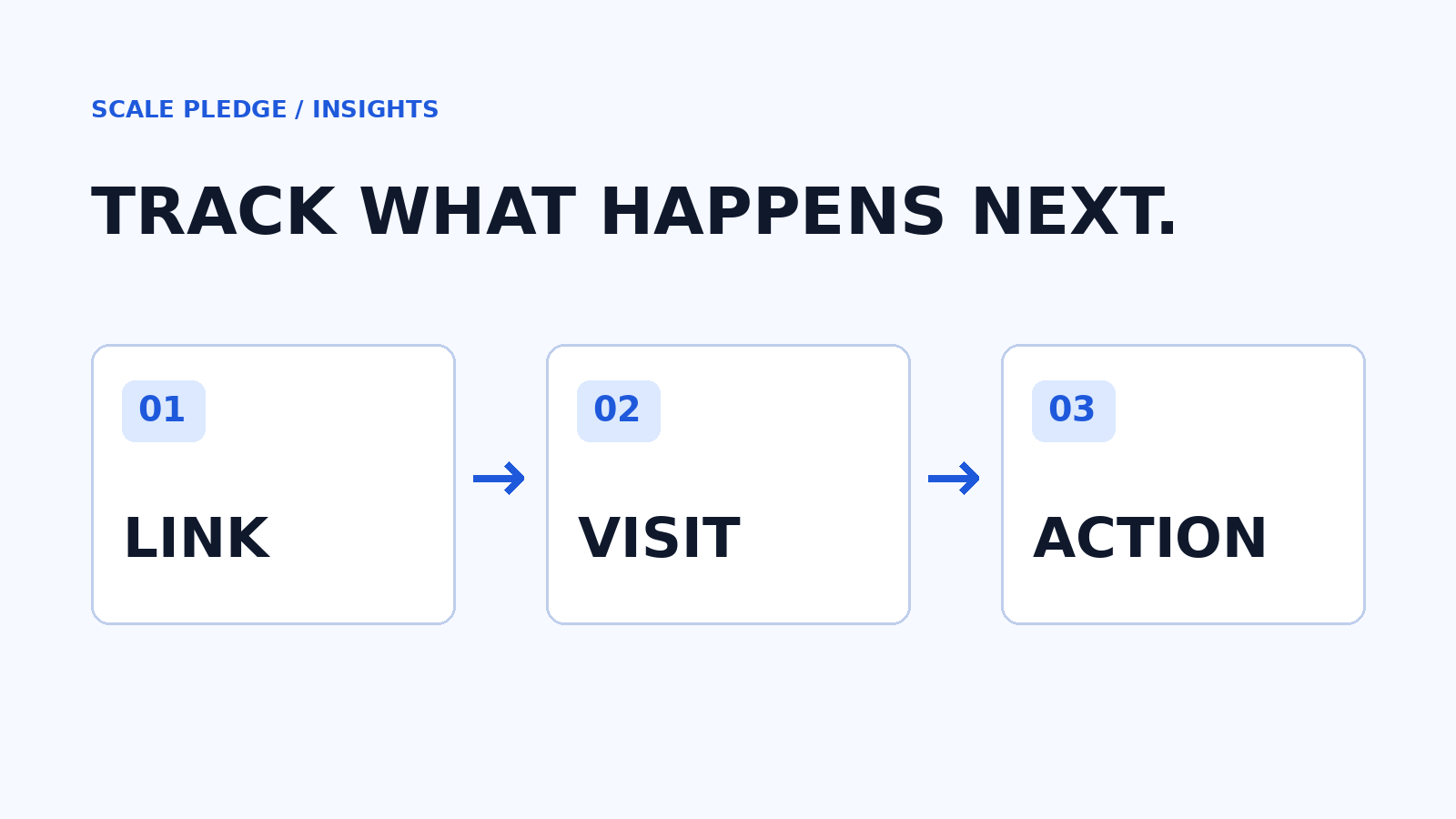
Action: Use a campaign-specific link, then check the action your brand wanted: a product-page visit, a qualified trial or a purchase. If you use Google Analytics, campaign tags identify which link referred the traffic. They don’t tell you how many people saw the sponsor, then came back another way.
Write down what you’ll change and what better looks like before the next upload. If you change the placement, the offer and the creator at the same time, you won’t know which one mattered.
Start here: Watch the handoff. Pick one change. Keep the report honest about what you measured.