A tech influencer campaign can look simple from the outside.
Find a creator.
Pay them.
Post the content.
Wait for results.
That is also how brands waste money.
A strong campaign starts before outreach. You need to know who you want to reach, what you want them to do, and how you will know if the campaign worked.
Here is a simple way to build one.
1. Start with one goal
Do not start by looking for creators.
Start with the result you want.
Your goal could be:
Brand awareness
Qualified website traffic
Free trials
Demo requests
Product education
Newsletter signups
Each goal needs a different campaign.
If you want awareness, reach may matter more.
If you want demo requests, audience fit and buyer intent matter much more.
Choosing the goal first makes every decision after it easier.
2. Define the buyer before the creator
A creator should be chosen because of who watches them.
Not because they have a big number next to their name.
Write down the type of person you actually want to reach.
What job do they have?
What problem are they trying to solve?
What tools do they already use?
What topics do they care about?
Where are they located?
Then compare that buyer with the creator's audience.
LinkedIn's B2B creator research found that 82 percent of buyers say creator content influences their decisions. It also found that 67 percent use creator content to help assess possible solutions. That makes audience fit especially important for B2B campaigns. LinkedIn
A cybersecurity creator with 30,000 relevant followers may be more useful to a security SaaS company than a general tech creator with 300,000.
3. Find creators who already talk about the problem
The best sponsorship should not feel like the creator suddenly changed topics because someone paid them.
Look for creators already discussing the problem your product solves.
If you sell developer tools, look for creators teaching developers.
If you sell sales software, look for creators talking about sales systems.
If you sell AI software, go deeper than finding someone who simply talks about AI.
Look for the part of AI that matches your product and buyer.
The closer the match, the easier it becomes for the creator to introduce your product naturally.
4. Check the audience before negotiating
Do not negotiate based only on follower count.
Ask for audience data first.
Look at location, age, average views, recent engagement, past sponsors, and anything else that helps you understand who actually follows the creator.
Also read the comments.
Are people asking useful questions?
Do they trust the creator's opinion?
Does the audience seem interested in the subject?
Or are most comments empty reactions?
Follower numbers tell you how large an audience might be.
They do not tell you how useful that audience is.
5. Agree on the offer
Once the creator looks right, agree on exactly what you are buying.
That includes the content type, length, platform, deadline, revisions, links, usage rights, payment terms, and how long the content should stay live.
Get this clear before work begins.
It prevents confusion later.
You should also agree on sponsorship disclosure requirements. The FTC says creators should clearly disclose material relationships with brands, including when they receive money, free products, discounts, or other value. Federal Trade Commission
6. Give direction without writing the creator's personality out of the content
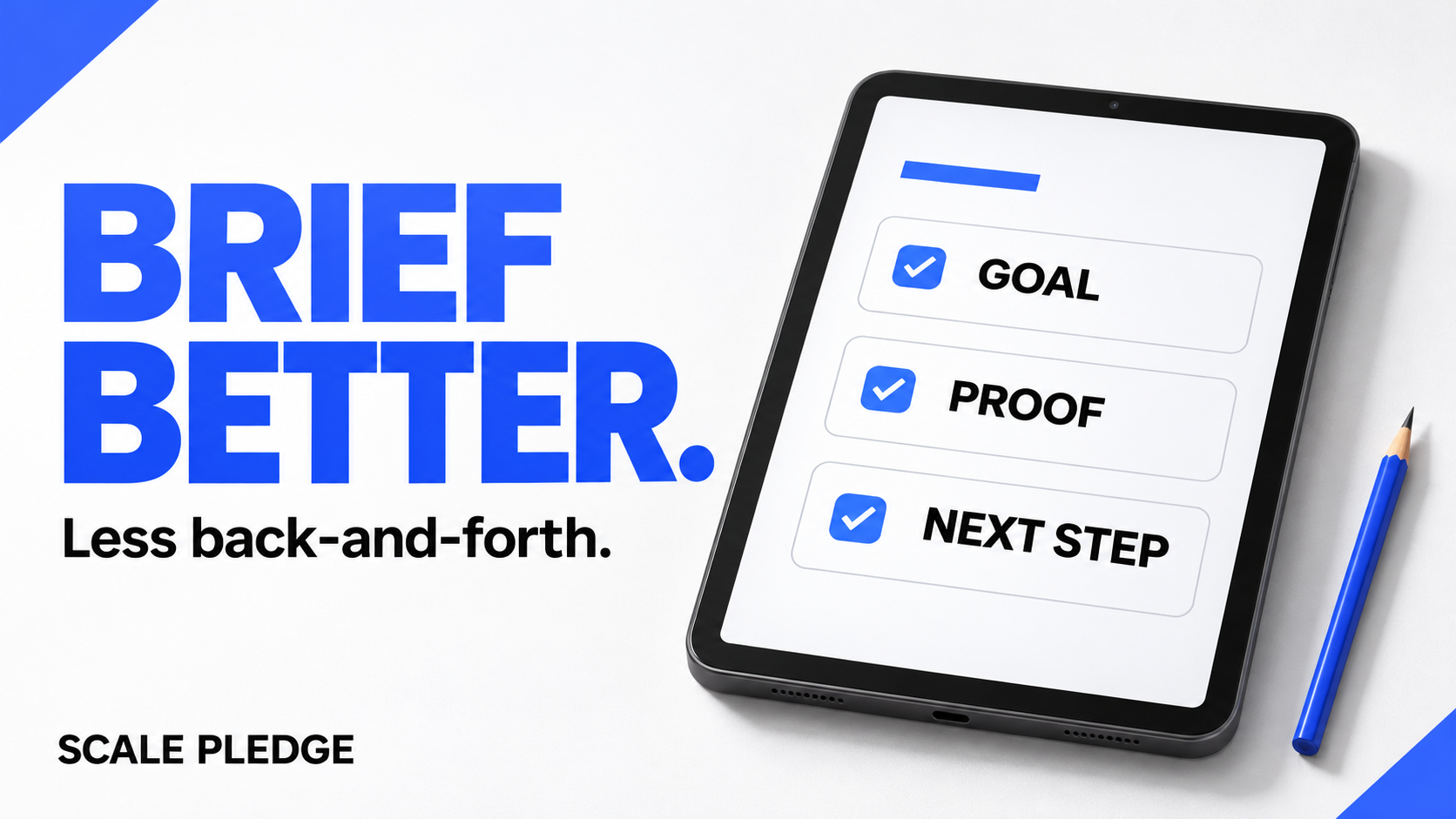
A campaign brief should guide the creator.
It should not turn them into your company spokesperson.
Give them the important information:
What the product does
Who it helps
The main problem it solves
Claims they can and cannot make
The call to action
Required links
Important product details
Then give them room to explain it in their own style.
Their audience follows them for a reason.
If the content suddenly sounds like your website, that trust can disappear.
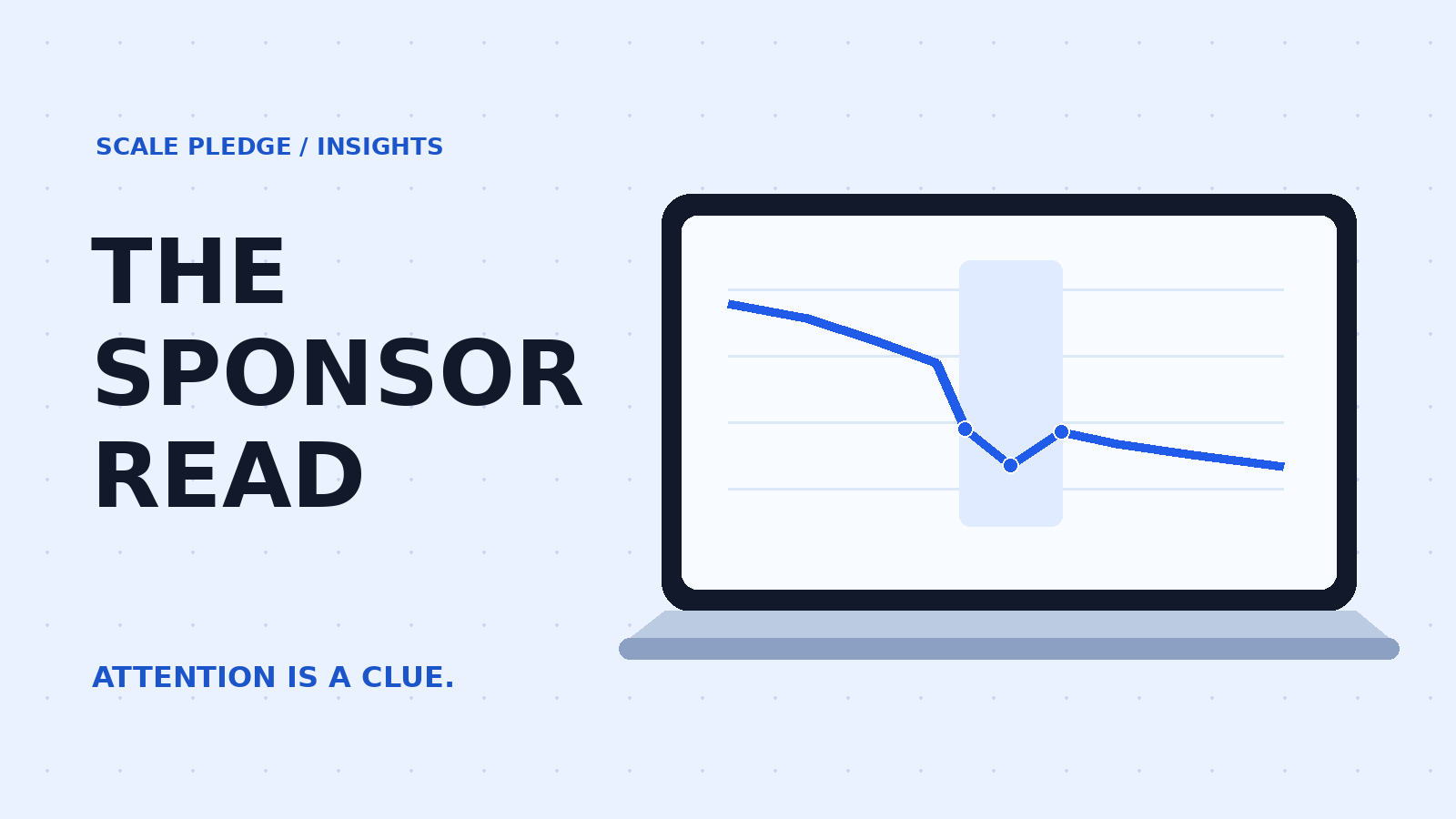
7. Track more than views
Views are useful.
They are not the whole campaign.
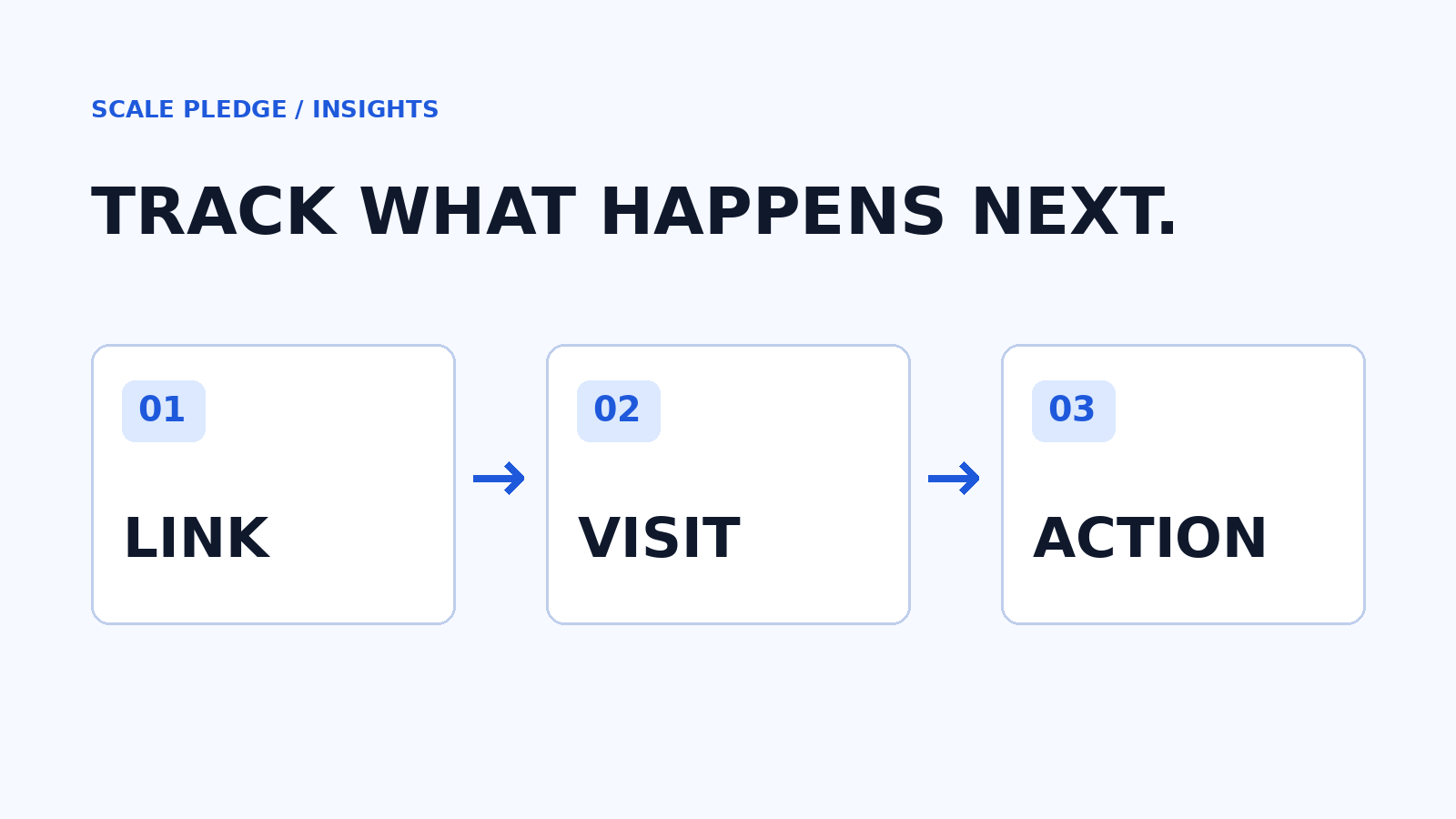
Track what happens after someone watches.
That might include website visits, engaged sessions, trial signups, demo requests, purchases, email signups, or branded searches.
Use a unique tracking link for each creator.
If possible, give important campaigns their own landing page.
Also ask new leads how they heard about you.
B2B buying is not always easy to trace. 6sense's 2025 research found that B2B buyers often form strong vendor preferences before they ever speak with sales. That means creator content can influence a buyer long before the final conversion appears. 6sense
8. Treat the first campaign as a test
Your first campaign does not need to prove that influencer marketing works forever.
It needs to teach you something.
Maybe one creator sends better traffic.
Maybe another gets more views but fewer conversions.
Maybe tutorials outperform short mentions.
Maybe YouTube works better than LinkedIn for your product.
Use that information.
Then run the next campaign with better creators, better messaging, and better tracking.
That is how influencer marketing becomes less of a guess.
Do not scale until you know why something worked
A successful post does not automatically mean you should spend ten times more.
Find out what caused the result.
Was it the creator?
The audience?
The topic?
The offer?
The content format?
The timing?
Once you understand that, you have something you can repeat.
That is when scaling makes sense.
The bottom line
A good tech influencer campaign is not built around finding the biggest creator you can afford.
It is built around matching the right creator, the right audience, the right message, and the right goal.
Get those pieces right first.
Then let the results tell you where to spend more.
Research basis
The campaign structure above is informed by LinkedIn's current B2B creator research, which emphasizes audience fit, credibility, and creator influence throughout the buying journey. LinkedIn
It also follows current FTC guidance on influencer disclosures and 6sense research showing how much of the B2B buying process happens before direct contact with sales. Federal Trade Commission