For many B2B tech brands, influencer marketing sounds smart in theory.
People trust people. Buyers want clear advice. Tech buyers spend a lot of time learning before they ever book a call.
So the idea makes sense.
Still, many B2B tech teams hesitate.
They worry about choosing the wrong creator. They worry the content will get views but no pipeline. They worry they will spend money and have no clear way to prove what worked.
That fear is real.
But a big part of the problem comes from how B2B buying works.
B2B tech deals are slow and complex
B2B purchases are rarely quick.
Research from 6sense found that the average B2B buying journey can last around 11.5 months. Buying groups may include around 11 people and compare several vendors before making a final choice.
That creates a problem for marketers.
A buyer might first hear about your company through a creator, visit your website weeks later, read a case study, see an ad, talk with a coworker, and finally book a demo months later.
Which channel gets the credit?
Often, the creator gets none.
That makes influencer marketing look riskier than it may actually be.
Buyers often make up their minds early
B2B buyers do a lot of research before speaking with sales.
6sense has found that many buyers already have a preferred vendor before their first sales conversation. Buyers also tend to build much of their shortlist early in the buying process.
This matters.
Influencer marketing often works before a lead form is ever filled out.
A creator may introduce your brand, explain a problem, show how a product works, or help a buyer trust your company.
That influence can happen long before your sales team knows the buyer exists.
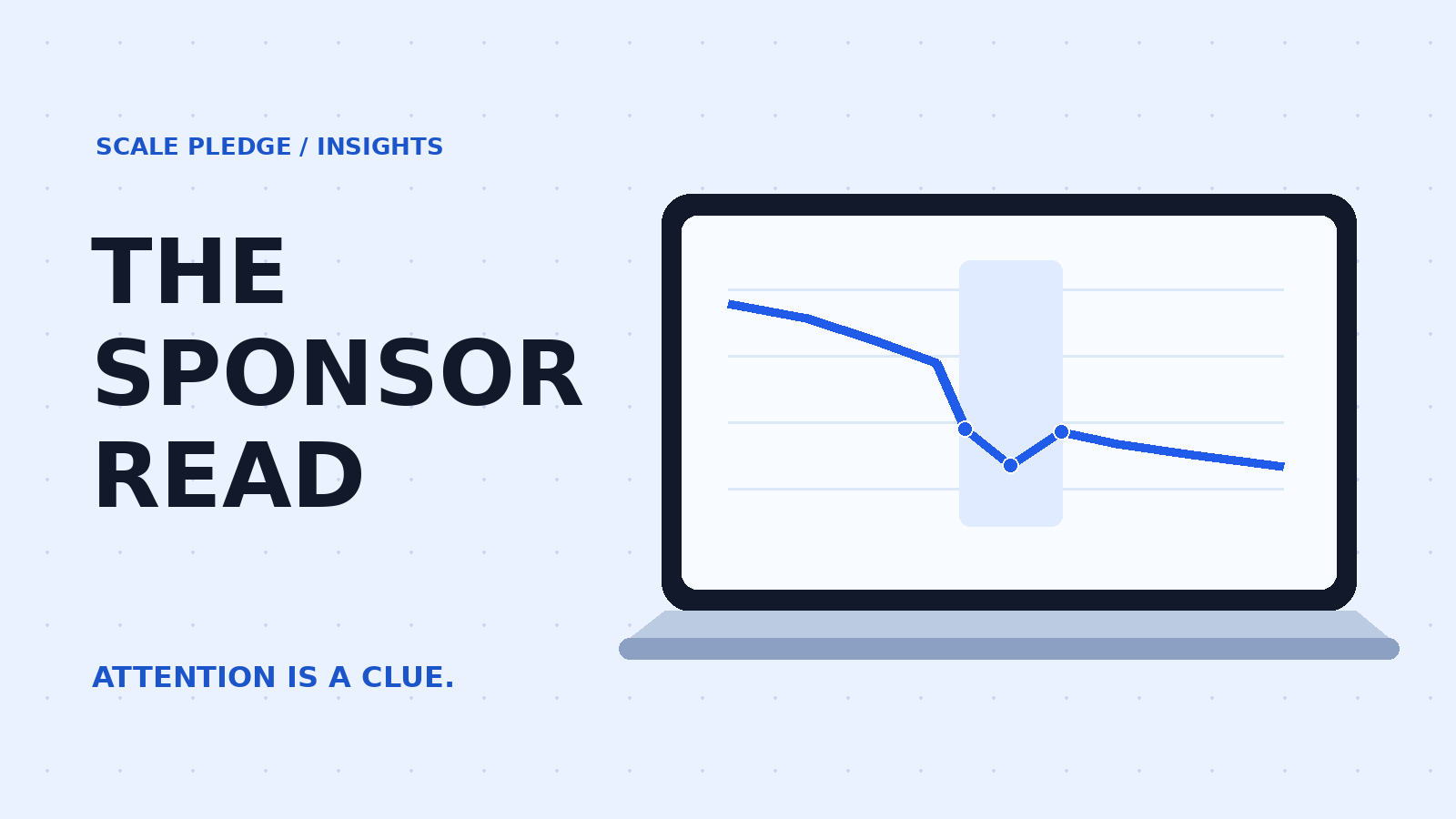
If you only measure the final click, you may miss most of the value.
Trust matters more than follower count
This is especially important in tech.
A B2B buyer is not buying a cheap impulse product. They may be choosing software that costs thousands of dollars and affects an entire team.
They want confidence.
Research from Edelman and LinkedIn found that 73 percent of decision makers see thought leadership as a more trustworthy way to judge a company's abilities than normal marketing materials and product sheets.
That should change how tech brands think about influencers.
The goal is not simply to find someone with a large audience.
The goal is to find someone whose audience listens when they talk about your category.
A smaller cybersecurity creator with the right audience may be more valuable than a general tech creator with ten times the followers.
Reach gets attention.
Trust can move a buyer closer to a decision.
Most brands measure influencer marketing too simply
Another problem is measurement.
Many teams expect something like this:
Creator posts content.
People click the link.
People book demos.
Sales close deals.
Real B2B buying is rarely that clean.
A campaign may increase branded searches.
It may send more qualified visitors to your site.
It may make sales conversations easier because prospects already know your company.
It may help your brand make a buyer's shortlist.
Those results matter even if they do not appear as direct conversions from one tracking link.
This does not mean brands should stop measuring performance.
It means they should measure more than one thing.
Choosing the wrong creator is a real risk
Some fears around influencer marketing are justified.
A poor creator fit can waste money.
A creator may have fake engagement.
Their audience may not match your ideal customer.
Their content may not fit your brand.
Their followers may enjoy watching their content but have no interest in buying B2B software.
This is why creator selection should not start with follower count.
Look at audience fit.
Look at the topics they regularly cover.
Look at comments.
Look at past sponsored content.
Look at whether people actually trust their recommendations.
For B2B tech brands, relevance usually matters more than raw reach.
Testing reduces the risk
You do not need to spend a huge budget to find out whether influencer marketing can work.
Start with a test.
Pick a small group of creators who match your audience closely.
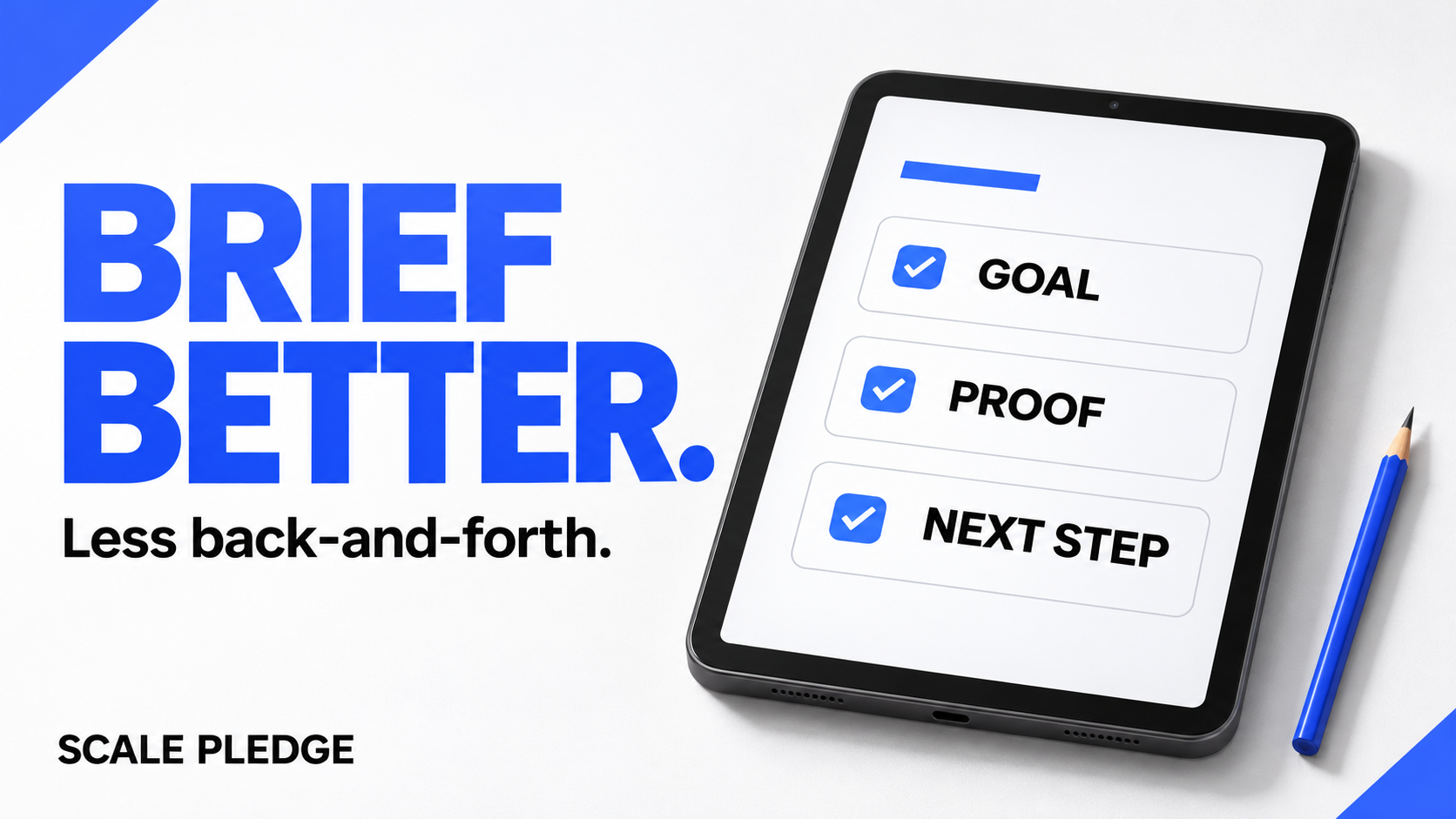
Give each campaign one clear goal.
That goal could be:
Brand awareness
Qualified website traffic
Product education
Webinar signups
Free trials
Demo requests
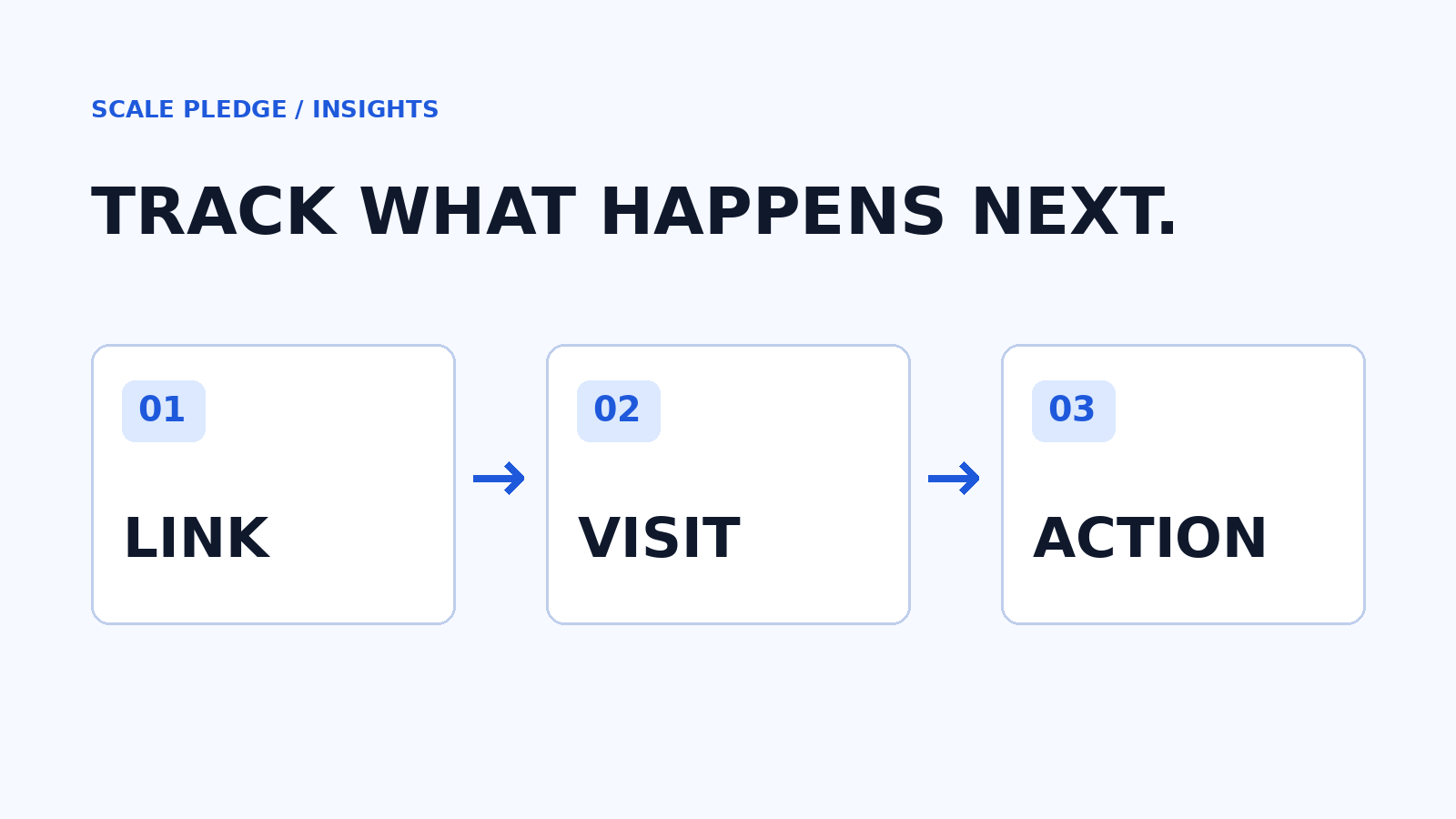
Then track what happens.
Use unique links.
Use landing pages.
Track branded search.
Watch website behavior.
Ask new leads how they heard about you.
Look at assisted conversions instead of only direct conversions.
The first campaign should help you learn.
The next campaign should use what you learned.
Think beyond one post
One of the biggest mistakes brands make is paying for content and using it once.
Good creator content can keep working.
A strong video can become a paid ad.
A product explanation can be added to a landing page.
A quote can support a case study.
A creator clip can be used in sales outreach.
A review can help answer common buyer objections.
This can make the value of a creator partnership much larger than the original post.
Influencer marketing is not the risky part
Poor strategy is.
Influencer marketing feels risky to many B2B tech brands because the buying journey is long, trust matters heavily, and attribution is messy.
But those same conditions can also make trusted creators valuable.
B2B buyers spend months researching.
They compare options.
They look for people and sources they trust.
The question is not whether your buyers are being influenced.
They already are.
The real question is whether your brand is part of that influence.